

PP Edge Banding is a durable and versatile material that provides a finished look to furniture edges while offering excellent protection against wear and tear. Its chemical resistance and low maintenance make it ideal for use in commercial and industrial settings.
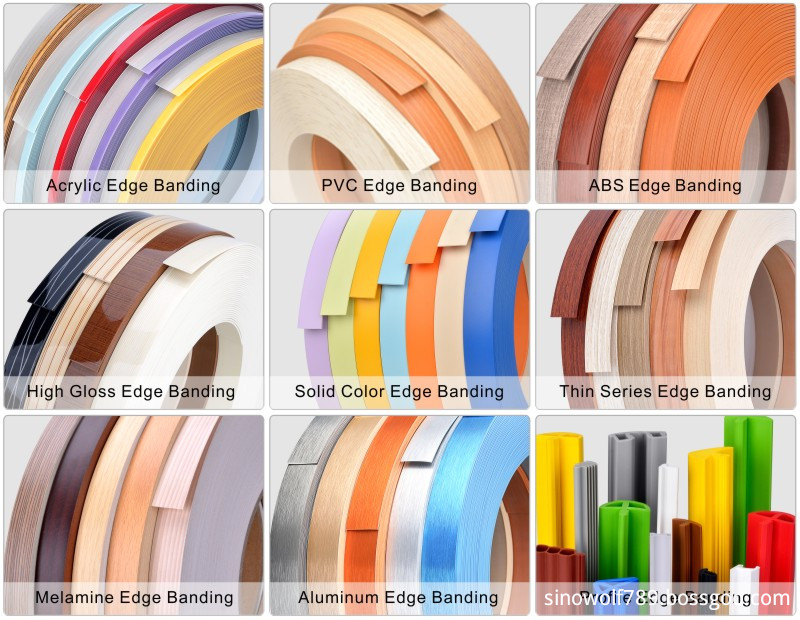
1.Durability: PP edge banding is highly durable and resistant to impact, scratches, and wear and tear. It can withstand exposure to moisture, making it suitable for use in areas with high humidity.
2.Chemical resistance: PP edge banding is resistant to chemicals and solvents, making it ideal for use in laboratories, healthcare facilities, and other environments where exposure to chemicals is common.
3.Easy to work with: PP edge banding is easy to work with and can be cut and trimmed with a standard edge banding machine or a handheld trimming tool.
4.Low maintenance: PP edge banding requires minimal maintenance and can be cleaned easily with a damp cloth and mild detergent.
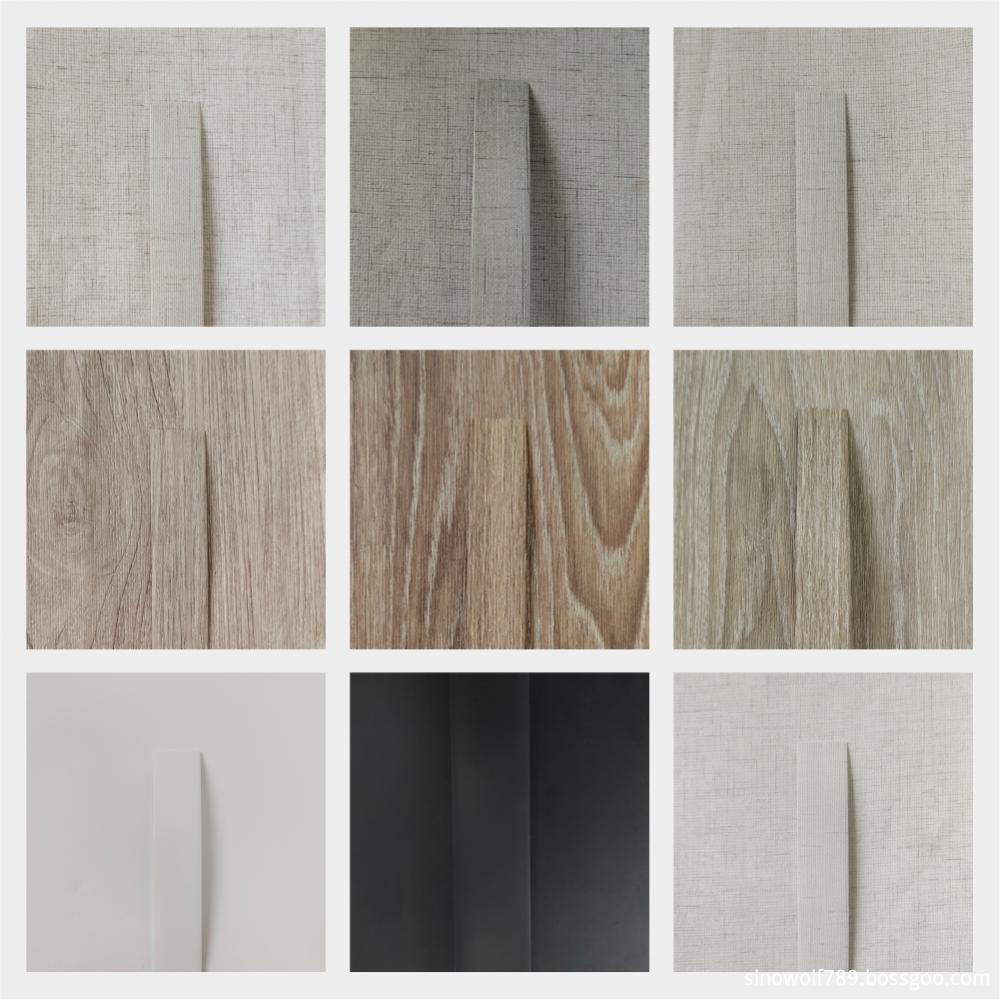
5.Wide range of colors and designs: PP edge banding is available in a wide range of colors and designs to match different furniture styles and aesthetics.
6.Environmentally friendly: Eco-friendly PP Edge Banding is made from recyclable materials and is 100% recyclable, making it an eco-friendly choice.
What is the difference between 1mm and 3mm edge banding?
The main difference between 1mm and 3mm edge banding is the thickness of the material.
1mm edge banding is thinner and is typically used for furniture with thinner edges or where a more subtle finish is desired. It is also easier to apply and requires less time and effort to trim and finish. However, it may not be as durable as thicker edge banding and may not offer as much protection against wear and tear.
On the other hand, 3mm edge banding is thicker and is generally used for furniture with thicker edges or where a more durable and robust finish is desired. It provides better protection against impact and abrasion and can also help to reinforce the edges of the furniture. However, it is more difficult to apply and may require more time and effort to trim and finish.
Ultimately, the choice between 1mm and 3mm edge banding depends on the specific requirements of the furniture project, including the thickness of the edge, the desired level of protection and durability, and the overall aesthetic preferences.