

As the weather gets warmer, not only our clothing needs to be adjusted, but even the craftsmanship of home manufacturing needs to be adjusted as the temperature and climate change. During the glue application process, if the temperature and humidity changes in the high-temperature climate environment are not considered, a series of problems such as poor bonding effect may occur in the later stage of Hot Melt Glue.
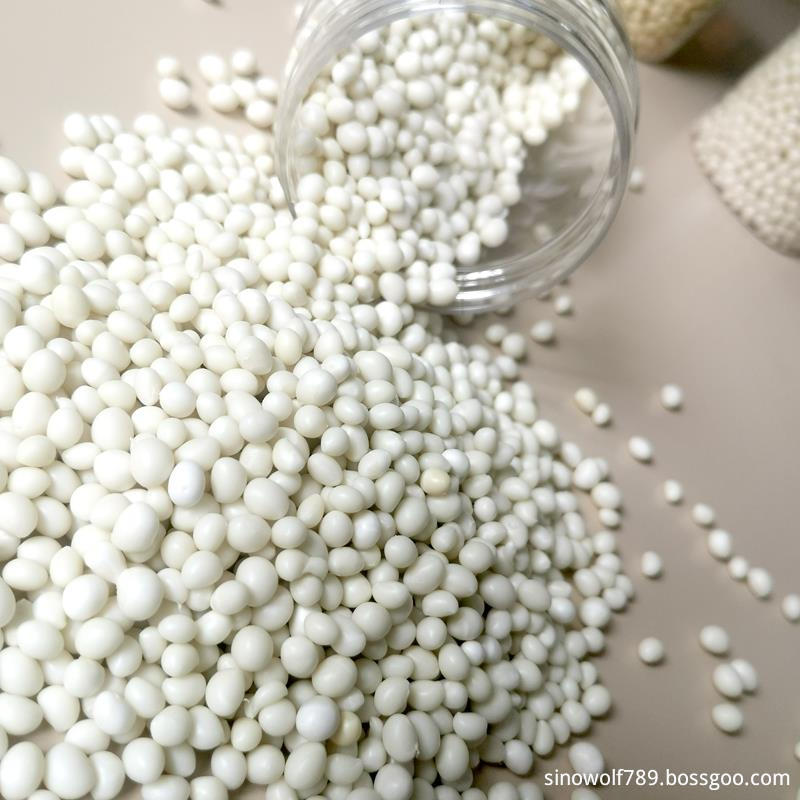
1. The bonded edge sealing part should be clean and free of any dust and oil stains, and the pressing should be tight to avoid insufficient or uneven pressure on a certain part.
2. Frequently check the temperature measuring device installed on the machine to see if there is any temperature error. the
3. The coating should be uniform, and the amount of coating will be adjusted according to the type of material. It is recommended to reduce the amount of glue as much as possible while ensuring the adhesion. If the amount is too large, there will be glue lines, and the machine and materials will be dirty. .
4. When the room temperature is lower than 15°C, it is recommended to locally heat the edge sealing surface and edge sealing material to ensure the bonding quality.
5. The feeding speed should be moderate to avoid cooling down when not pressurized. If it is necessary to work at a low feeding speed, the temperature of the rubber wheel must be appropriately increased, and the bonding material must be preheated first.
We have Hot Melt Glue products, but also Profile Edging Banding Series, Melamine Edge Banding, Plastic Screw Hole Caps, Formica Collection Edge Tapes, PVC Or ABS Soft Touch Finish Edge Banding and many more
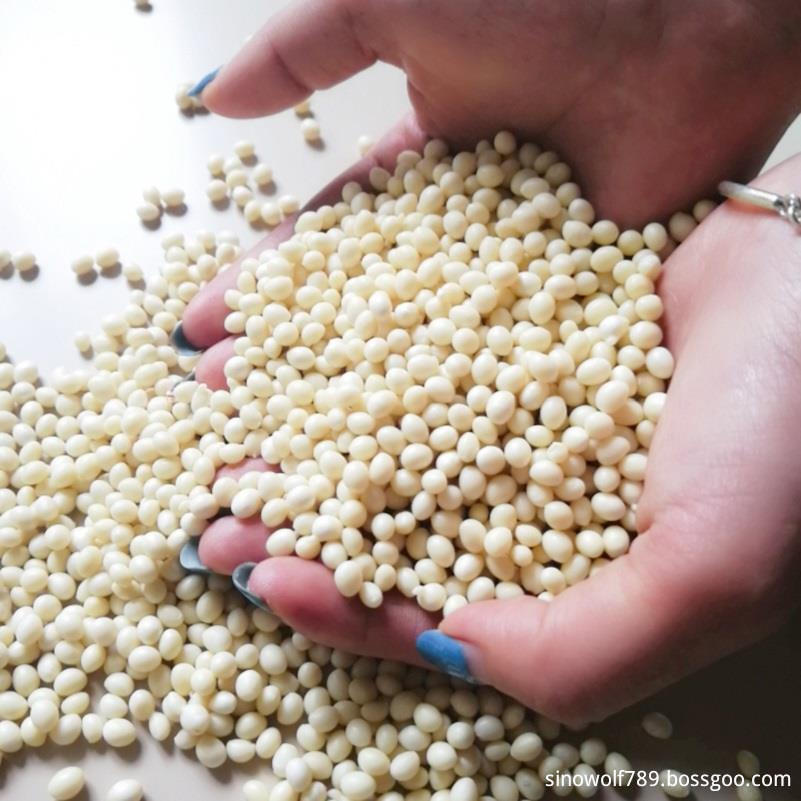
What is the development history of Hot Melt Glue?
From the late 1970s, hot-melt adhesives began to enter the wood industry for edge banding, plywood cores, board splicing, furniture tenon joints, etc. In the early days, the development of equipment in my country was immature, mainly relying on hot-melt adhesive equipment from the United States, West Germany, Italy and other countries. However, as the market expanded and equipment technology became more mature and stable, various furniture factories in my country also began to actively invest in hot-melt adhesive equipment. .
How many types can Hot Melt Glue be divided into?
According to different base materials, it can be divided into three categories:
1. EVA (ethylene-vinyl acetate copolymer resin) base material Hot Melt Glue can be divided into two types with filler and without filler. The limitation is poor heat resistance;
2. POL YAMIDE (polyamide) base material hot melt adhesive has good heat resistance and fast curing characteristics, but it is expensive;
3. HMPU (polyurethane) base hot melt adhesive has excellent performance and is often used for high-quality panels, but it is expensive and has a special method of use.
Depending on the temperature, there are high temperature, medium temperature, low temperature and other furniture edge sealing Hot Melt Glue.