

PP (polypropylene) edge banding is a type of edge banding that is used in furniture manufacturing to cover the exposed edges of plywood, particleboard, or MDF. PP Edge Banding has become popular due to its durability, resistance to impact, and ease of maintenance. Here are some of the key factors that could impact the development prospects of PP edge banding:
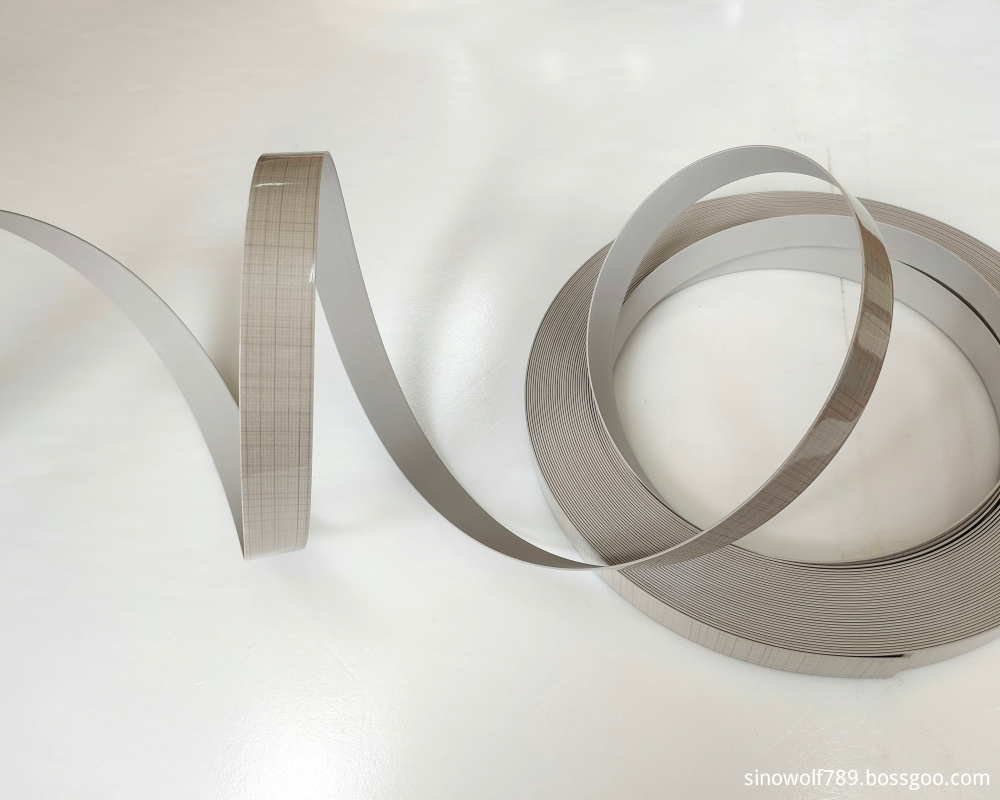
Growing demand for eco-friendly materials: With the increasing awareness of environmental issues, there is a growing demand for eco-friendly materials in furniture manufacturing. Eco-friendly PP Edge Banding is considered to be an eco-friendly material as it is recyclable and can be made from renewable sources. This could drive the demand for PP edge banding in the future.
Rising popularity in emerging markets: PP edge banding has become increasingly popular in emerging markets like India, China, and Brazil due to its cost-effectiveness, durability, and ease of use. This trend is expected to continue as these countries continue to develop their furniture manufacturing industries.
Technological advancements: Technological advancements in the manufacturing process could make PP edge banding more efficient and cost-effective, which could make it more competitive in the market. For example, advancements in the extrusion process could make it possible to produce PP edge banding in a wider range of colors and designs.
Competition from other materials: While PP edge banding has many advantages, it still faces competition from other materials like PVC, ABS, and wood. The development of new materials with better durability, cost-effectiveness, and eco-friendliness could impact the market share of PP edge banding in the future.
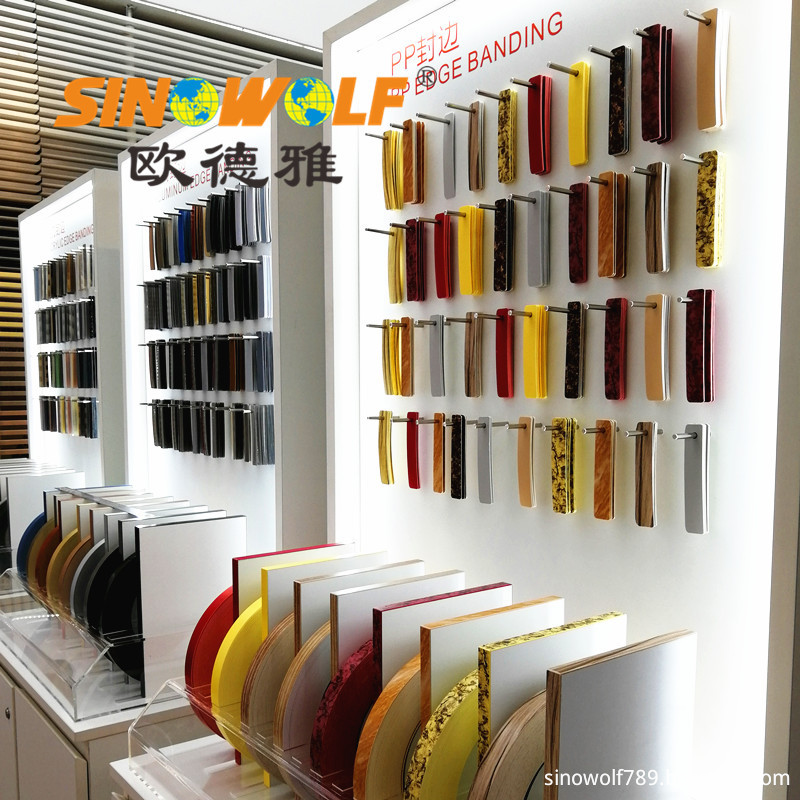
Overall, the development prospects of PP edge banding are positive due to its eco-friendliness, durability, and ease of use. We support Customize PP Edge Banding, and we hope to cooperate with more partners and look forward to your arrival.